Since I began making natural inks to incorporate into my art practice, I have grown increasingly interested in the colors nature can produce as pigments. After making black walnut ink and experimenting with ink from buckthorn berries, I want to see what other inks I can make with nature. I think the best color palettes are found in nature.
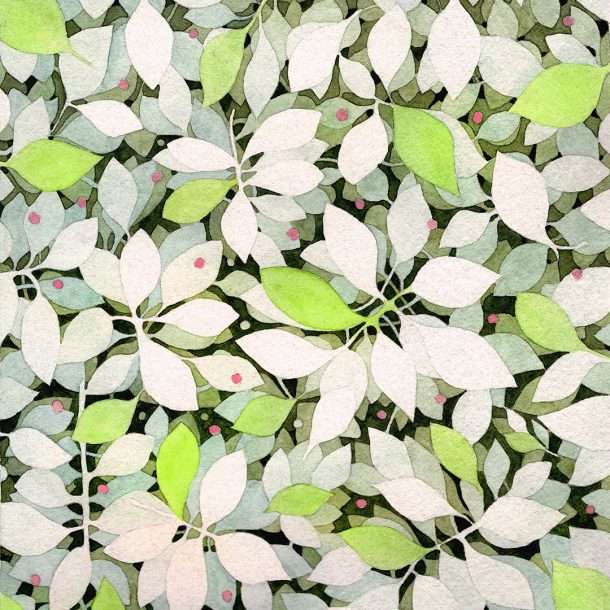
For one of my watercolors, Wild Indigo, I used ink I made with buckthorn berries. The ink turned out better than expected, giving me a range of colors from deep blue-brown to light sea foam green. Instead of sinking into the thick Fabriano hot press paper I love for watercolor paintings, the ink sat on top of the paper and, once dried, produced a rich, luminous effect.

WILD INDIGO. Watercolor and Buckthorn Berry Ink on 300 lb. Fabriano Hotpress Paper.
Artwork: 23.5 x 21 in; 36 x 33.5 in framed ($2300). Interested in this piece? It’s available. Please inquire here.
Wild Indigo — A Recent Discovery.
It’s a recent plant discovery for me, and I am lucky to find it growing in one of my favorite haunts, Lebanon Hills Regional Park (Eagan, Minnesota). I also learned that Wild Indigo is a species of concern, as noted by the Minnesota DNR. Habitat loss due to agriculture and development is the cause of Wild Indigo’s decline.
Returning to natural inks and dyes, I’m reminiscing about my travels through Japan. It was 2017, and my mother had died suddenly the year before. At the encouraging invitation of a long-time friend, a trip would do me good after losing my mother, adding that all artists should visit Japan, I updated my passport, packed a capsule wardrobe for a month of travel, and joined my friend for a trip to the Asia Pacific.

Japan’s Water Town
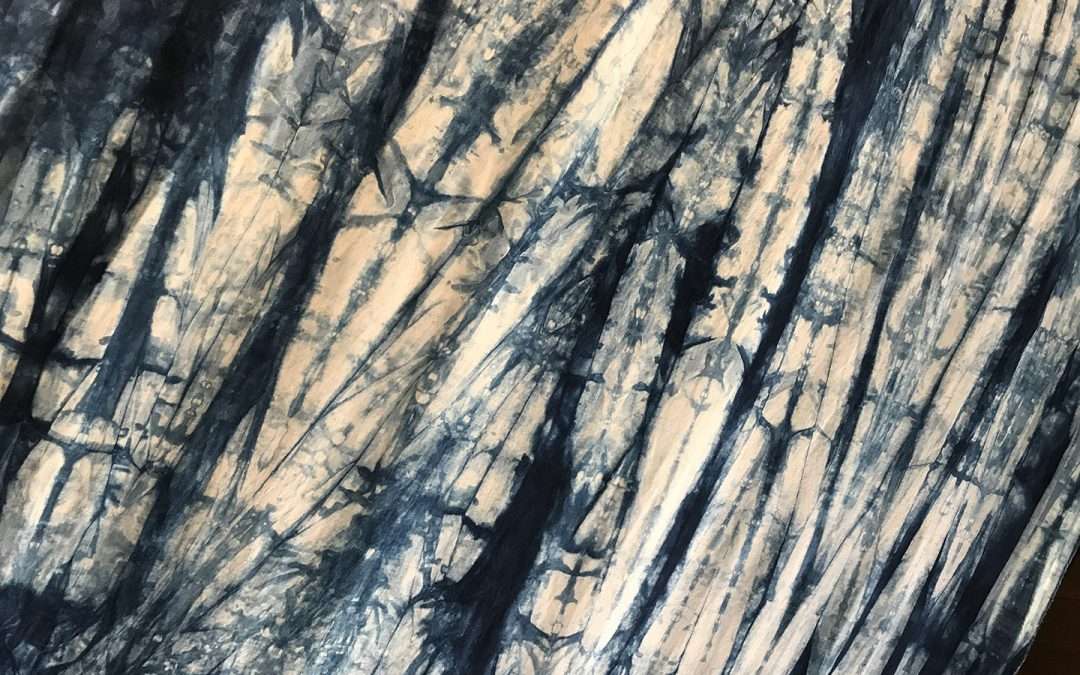
It was in Japan that I learned a bit about Gujo Indigo Dyeing from a local dye house that continues the 430-year-old tradition. The learning part came after. I don’t know or speak a lick of Japanese, so my experience at the Watanabe Someone Dye-house was purely visual.
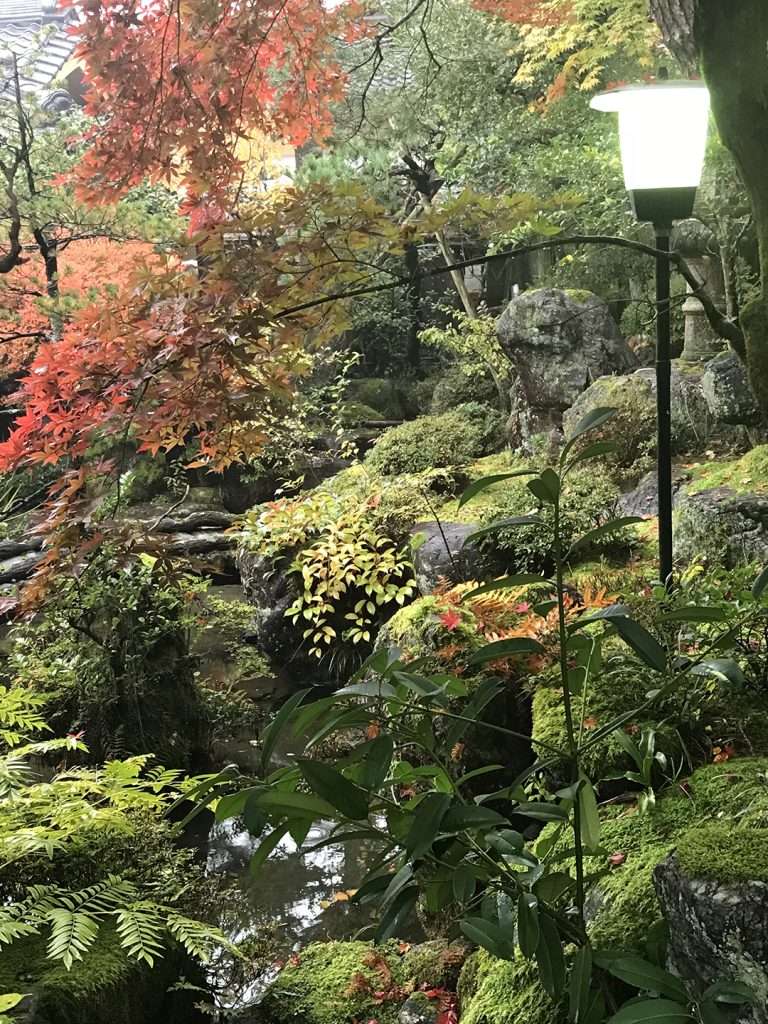
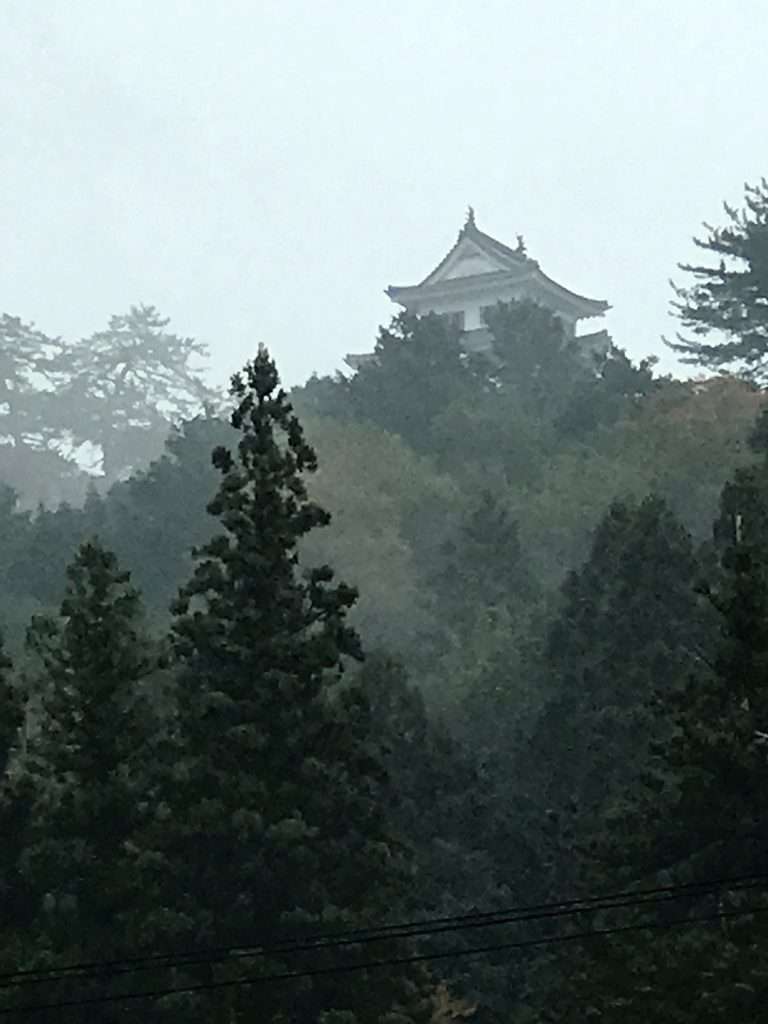
My friend and I were walking through the streets of Gujo Hachiman, sometimes referred to as Japan’s water town. Many locals contend for this title, yet having experienced the Gujo Hachiman, the title fits. Running water is everywhere.
We stopped by the dye house only to find it closed. After a moment or two, a small, older woman motioned us inside. She then went into the back room and began to bring out various indigo-dyed items for sale. My friend and I were grateful for the timing and delighted to see a range of beautiful blue hues.
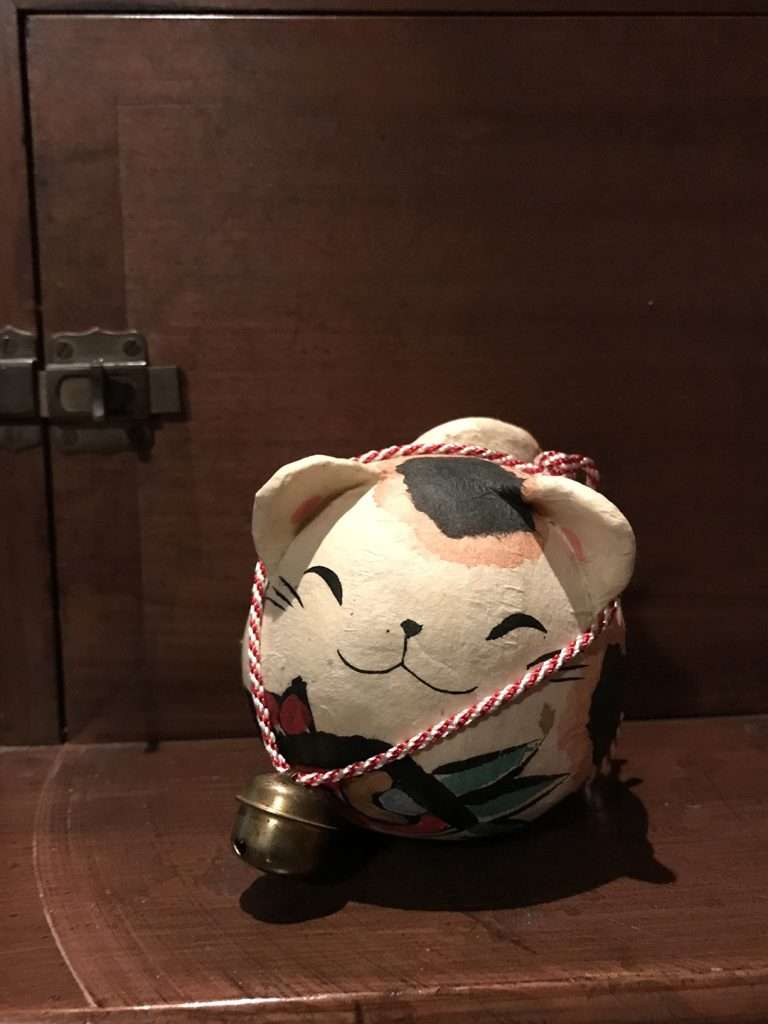
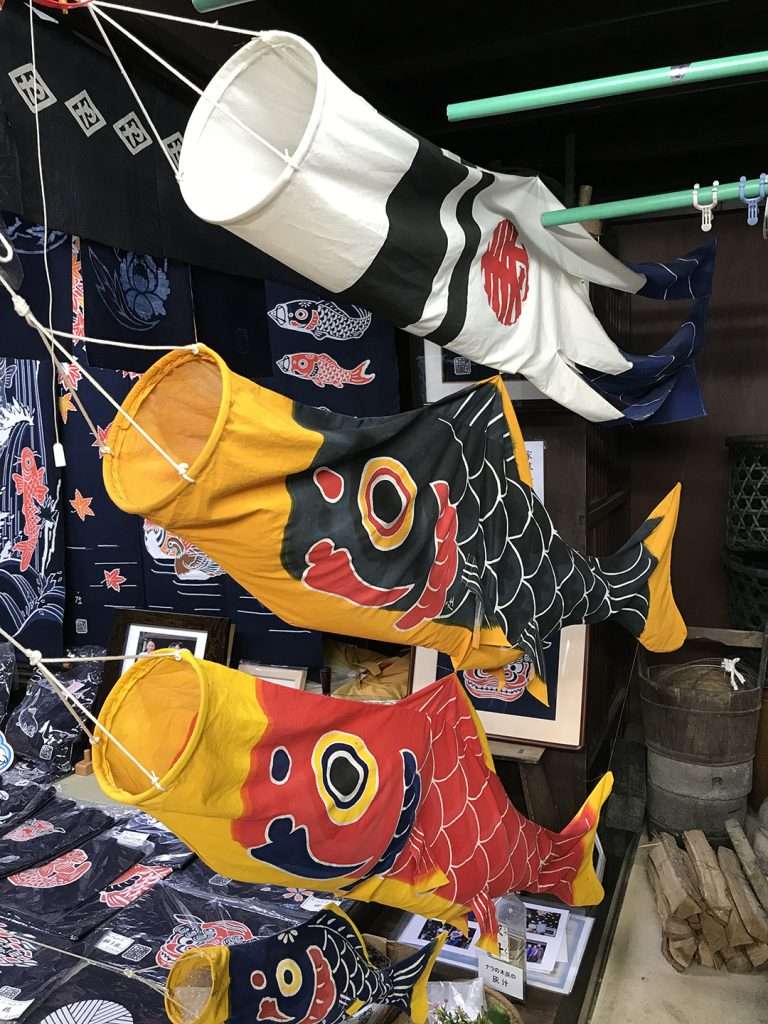

Indigo dye has some amazing qualities beyond its blue colors. In Japan, indigo dyeing is known as aizome, dating back to the Edo period (1603-1868) when only the higher social classes were allowed to wear bright colors. (I learned this, too, from Dressed By Nature: Textiles of Japan exhibit at the Minneapolis Institute of Art.)

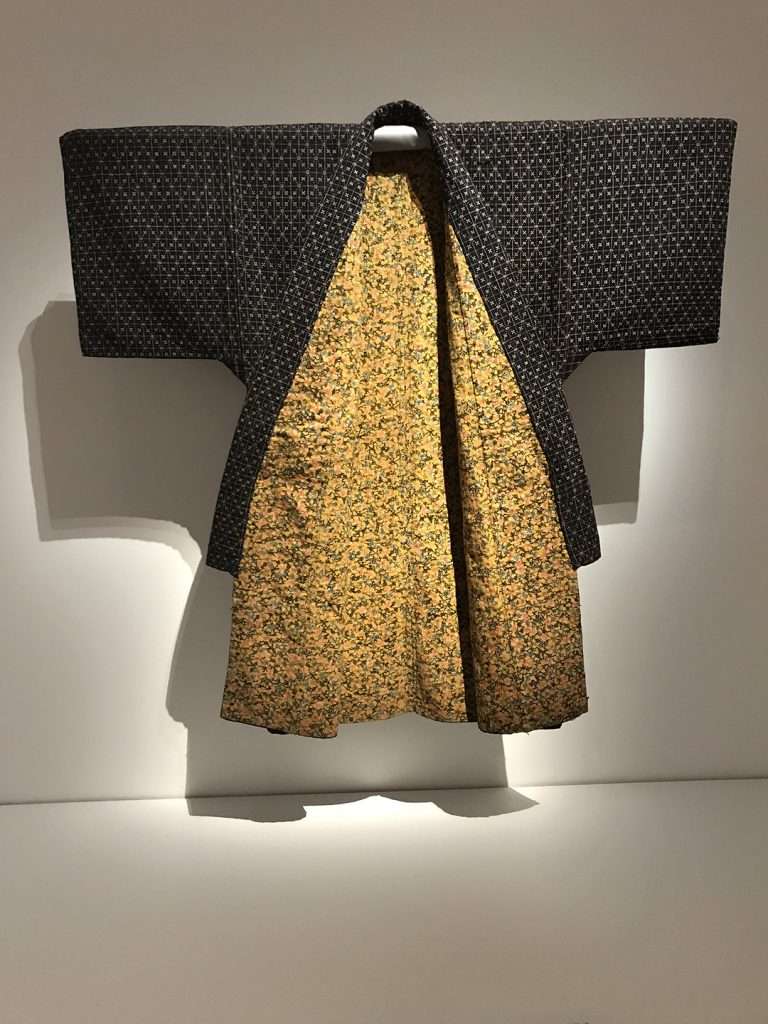
Japan’s lower classes were also banned from wearing silk. That left cotton as the only clothing option for clothing. When cotton was dyed with indigo, the fabric inherited antibacterial and insect-repellent qualities. The plant that’s used for making indigo dye, Persicaria tinctoria, is a flowering plant in the buckwheat family, also known as Chinese indigo, Japanese indigo, and Dyer’s Knotweed.
Surprising Benefits of Indigo Clothing
Indigo dye (aizome) was effectively odor-preventing and also provided skin relief for those suffering from eczema. The samurai wore indigo clothing to prevent wound infections, and firefighters favored indigo fabric for its flame-retardant properties. Fires were common. Homes were built of wood, flame cooking, and domestic indoor lighting were hazardous.
Creating Different Shades of Indigo
The process of aizome dyeing can create different shades of blue depending on the level of fermentation of the indigo plant leaves, the material in use, and the dyeing time. The dye solution itself appears black, but once the fabric dries, it takes on a unique shade of blue when exposed to air. Depending on the number of dips, the color of the blue deepens, with each shade given a unique name. Aijiro indigo is the lightest shade, closest to white, while noukon indigo is the darkest shade, closest to black.
Lasting Impressions of Japan
Before I close my story of Indigo, the lasting impression I have of Japan is that it is a nation of people on the move. Trains are always on time. There’s an overall sense that the Japanese strive to make things as pleasant and frictionless as possible. There is a genuine feeling of kindness, as manners and considerations are everyday encounters. I miss the ease and the custom of bowing to the other, an acknowledgment of “I see you.” The cities are incredibly quiet. Most, if not all, vehicles in Japan are electric. I found it delightful that the traffic lights chirp in bird song when they signal it’s safe for pedestrians to cross the street.
After returning to the States, I found our American way of life to be harsh and individualistic. I’ve heard this sentiment from friends who have immigrated to the US from other countries, too. I can return to Gujo Hachiman in memory, to its quiet, rural setting, a place where traditional indigo is still made to escape the harshness at home. Perhaps I will return one day. There is such beauty in life and art to be found everywhere you go in Japan.
If you enjoy this post, you might want to take a look at these:
Making Buckthorn Berry Ink. See how I made nature ink that went into the Wild Indigo painting.
The Story of Soil. How I weave natural substances into pigment for a watercolor painting alongside a story of memories and conservation.
Oh, Jack! I discover something in nature, dig into the science and history, and wind up with a watercolor painting. (Turns out to be my process).