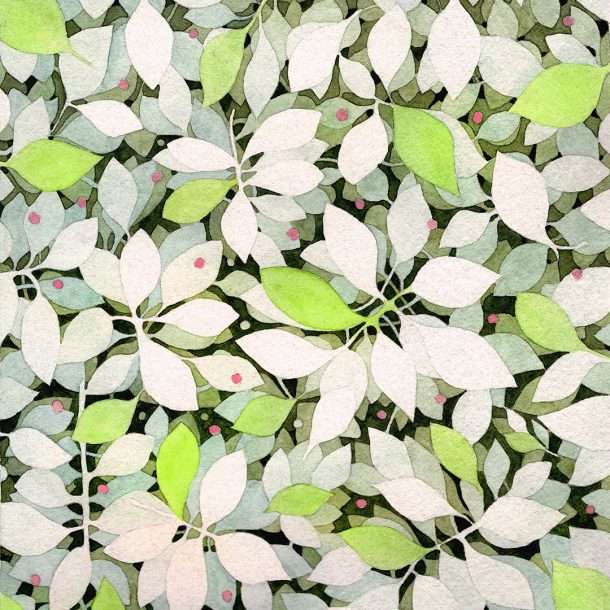
If you’ve been following me for a while, you may know I’m obsessed with surface pattern design. While my focus is on producing art and stories for art exhibitions, I know how important passive income could be to my business. That comes from licensing your artwork, and surface pattern design is just one avenue for this.
I follow a handful of very successful surface pattern designers (Bonnie Christine, Liz Kohler Brown, and Mel Armstrong) who license their work and educate others on how to do this as a business model. I’ve taken online courses, watched their videos, and read their blogs.
While I have gathered a ton of information regarding licensing, I haven’t heard the real scoop from a real local artist about licensing their artwork.
Not Your Typical Surface Pattern Designer.
On a recent Saturday afternoon, I sat down with a dozen other artists at Springboard for the Arts to learn from a renowned and celebrated Mexican Minnesotan American artist, Luis Fitch, through his workshop, “Licensing Your Art.”
All the surface pattern designers I follow are women. Moms. They make it look easy. I wanted to hear about art licensing from a man’s point of view.
Over 3.5 hours, Luis outlined his 25+ years of experience and creative path with art licensing. Packed with practical takeaways and actionable steps, I’ll give you the highlights. If you are interested in licensing your art, in surface pattern design or illustration, there are many resources and courses to be had, ranging from free to thousands of dollars.
Today’s workshop was free to attend, and I gleaned new insights and was validated for what I knew about art licensing going in.
What is licensing your artwork about anyway?
It’s basically renting out your artwork to a company or manufacturer to use for a set amount of time and for certain applications. I recommend non-exclusive contracts where you can license the same artwork to different companies with a non-competing category.
For example, your one piece of artwork could be licensed to a stationery company, a wallpaper company, and a fabric manufacturer. But you couldn’t license the same artwork to three different stationery companies.
You retain the copyright for your artwork when you license your work. You earn either a flat rate or royalties for each product sold that carries your artwork on it. For many artists, this is lucrative passive income.
The Many “Luis” Takeaways
Don’t Work For Free. (Artist affirmation)
Licensing one piece of art can provide ongoing passive income. Licensing more art means more passive income.
You’re not selling out. Some of the most famous artists licensed their art to support their art and projects. Peter Max, Keith Haring, and Shepard Fairey have all made substantial income by leveraging their art.
Think in collections. Collections are developed with an overarching single theme. I would add that having a story behind your collection helps you promote and attract licensing contracts.
The money is in the masses. The masses are in the Midwest of America, not on the East or West coasts. Understanding the culture and what is important to middle America will help your work appeal to the largest audience.
Discover and cultivate your unique artistic style. Having a consistent look and feel creates a cohesive portfolio. A cohesive portfolio makes it more likely for you to land licensing contracts. Mix in your lifestyle and what you love into your art, but keep your creative style consistent. This makes your work recognizable as yours.
One of the biggest art licensing companies is Checks.com. That’s right. 61% of people still write checks, and they buy checks with the patterns and designs they like from Checks.com.
Where Iconography Plays a Part
Early on in Luis’s venture into licensing his art, he started with patterns. Later, Luis found that creating your own iconography works far better for licensing than his patterns ever did. Icons are the backbone of a collection. Icons are relatable, recognizable, and understandable.
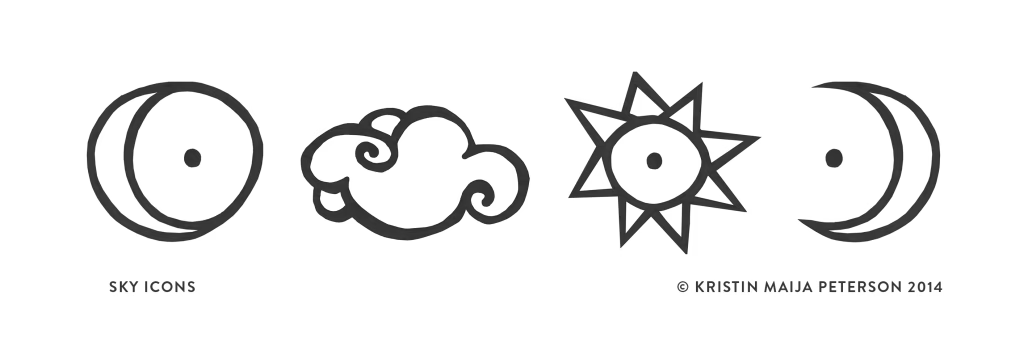
With icons, you can move to creating patterns and different color ways employing your icons. Shown below is a set of icons I did back in 2014. I could add more to the set of icons, repurpose these into a collection, and then create patterns with these sky icons.
Best Practices for Success
Organize and title your collections for a portfolio. There are online resources for learning how to create an effective portfolio to license your art.
Recycle and repurpose your artwork. Create multi-purpose digital vector art. This makes your art versatile.
Create and design for the everyday. Find that niche in the everyday that you love. But also think of holidays. Christmas will always be the No. 1 holiday, followed by Halloween and Valentine’s Day.
Hire yourself, that is, doing product development for your art.
Watch and follow trends. Pinterest is great for this.
Use AI to find companies and manufacturers you want to work with/license your work to, as well as find out names and contact information.
Use AI to review those long, detailed licensing contracts. Ask AI if this contract is a good fit for you, given your criteria.
Always be a professional when working with licensing clients. Be responsive, communicate, but remember to negotiate when it comes to contracts.
Other topics like flat fees, royalties, copyright, and trademarks were covered. The way I copyright is to always have a © KRISTIN MAIJA PETERSON 2025 (the year the art was created) alongside the artwork I want to protect. You own the copyright automatically upon creation, but for legal enforcement of your most important creations is necessary to register your art with the U.S. Copyright Office. Registering before publication, e.g., posting online, for the strongest protection.
FOR THE ARTWORK YOU WANT TO PROTECT
Go to https://www.copyright.gov/registration/
Create an account with the U.S. Copyright Office’s Electronic Copyright Office (eCO) system
Start a New Registration
Select “Visual Arts” if your work is a painting, drawing, sculpture, or graphic design
For a collection of works (like a series), you may use Group Registration of Published/Unpublished Works
Fill Out the Application
You’ll provide:
Title of the artwork
Author/creator information
Date of creation
Whether it’s published or unpublished
Pay the fee (they vary)
Upload a Copy of your Art
Upload a digital file (JPG, PDF, PNG, etc.) as your deposit. If you’re registering a physical piece, you need to mail in a physical copy.
Then wait for approval. You’ll receive a certificate by mail or email. The processing can take months.
TIP: Register a series or collection of artwork for copyright at one time. This is much more cost-effective than registering one-off pieces. Compare $45 for registering a single piece of art versus $85 for registering a series of works.
This is just a snippet and a start on the amount of information out there regarding licensing your art. It was beneficial to hear a local artist’s experience, the lessons he learned, and how licensing your art is a viable way to passive income.
Like this post on licensing your art? Here are a couple more ideas for you.
Taking On a Commission. Learn how I went about my first artist’s commission, PLUS a free artist commission contract template.
The Story of the OOH AWW Plant. Surface pattern design is story-driven design. This is an ooh-aww story behind the design.